

We’ve all seen it — that 10-paragraph email no one reads. Not because it wasn’t important, but because it wasn’t clear. Communication often fails not for lack of intelligence, but for lack of clarity. The more complex the topic, the more important it becomes to make ideas simple, not smaller.
Few roles depend more on clarity than product management — where a single miscommunication can derail months of work. At Google, a simple line captures what a PM does: “A product manager helps teams decide what to develop and how to succeed.”
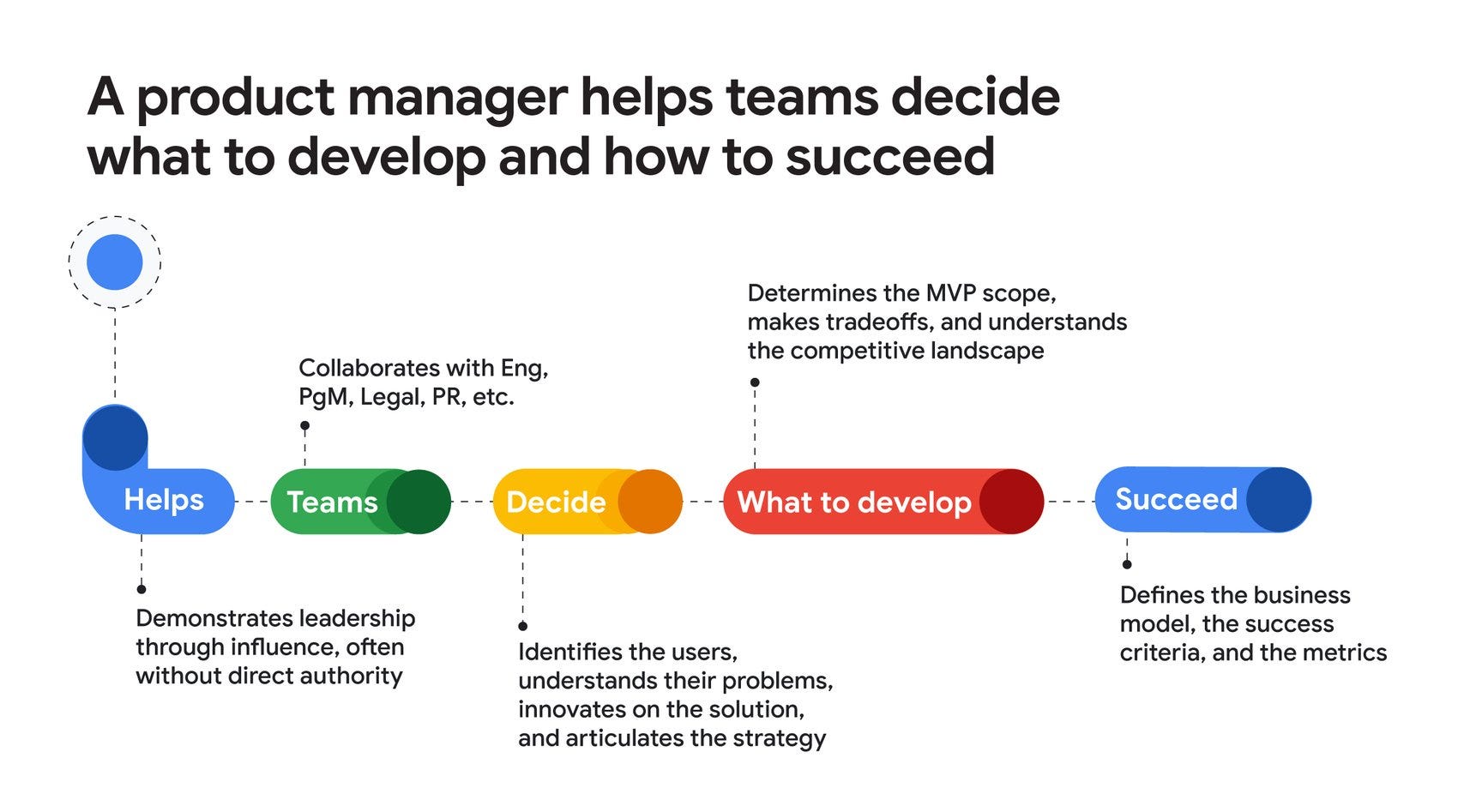
At first glance, it seems almost too simple. But this one line is a masterclass in communication — a model of Accessibility, Brevity, and Clarity (the ABCs of excellent communication). Let’s unpack it.
Helps
It begins with help. Not leads, not commands, not owns.
A PM helps — because they rarely have direct authority. Their influence comes through leadership without control. They align engineering, design, marketing, and legal teams around a shared goal.
That one word captures humility and service leadership — the idea that influence grows through empathy and collaboration. Helping is universal, and that’s what makes this word accessible.
Teams
Next comes teams. Not individuals, not functions. Teams.
PMs are connectors who collaborate across engineering, design, legal, and marketing. Every word in this sentence assumes coordination. The PM’s success is measured by how well they create collective momentum.
Clarity isn’t about sounding smart. It’s about helping people move together with confidence.
Decide
Now comes the pivot word — decide.
Decision-making is the PM’s daily currency. They weigh trade-offs, scope, and constraints. But what matters is how they communicate decisions.
They turn ambiguity into direction. They turn noise into a plan. That’s brevity — saying less while meaning more.
What to develop
Here’s where complexity explodes.
“What to develop” means defining what’s essential, understanding users, and studying the market. The PM’s communication bridges strategy and execution.
In practice, this means asking three clear questions:
Who is this for?
What problem are we solving?
Why now?
When those questions are answered clearly, teams build faster and better. When they aren’t, confusion becomes the product.
How to succeed
Finally, how to succeed.
Success isn’t just shipping the product. It’s defining what success actually looks like. A PM communicates the metrics, business model, and vision that guide every decision. Clarity here prevents teams from chasing vanity goals.
A single line — “helps teams decide what to develop and how to succeed” — summarizes one of the most complex jobs in tech.
It’s accessible: anyone can understand it.
It’s brief: only 13 words.
It’s clear: every word earns its place.
The next time you write an email, a product brief, or a performance review, remember the ABCs: Accessibility, Brevity, and Clarity. Because if you can explain a product manager’s job in one sentence, you can explain anything.
Clarity doesn’t just make communication better — it builds alignment, confidence, and credibility.
“Clarity is the shortcut to trust.” — Patrick Lencioni.
Insightful and sticks to the ABC explained in the post